Bread Doesn't Make You Fat
You’re probably eating bread wrong, so here’s how to do it right.

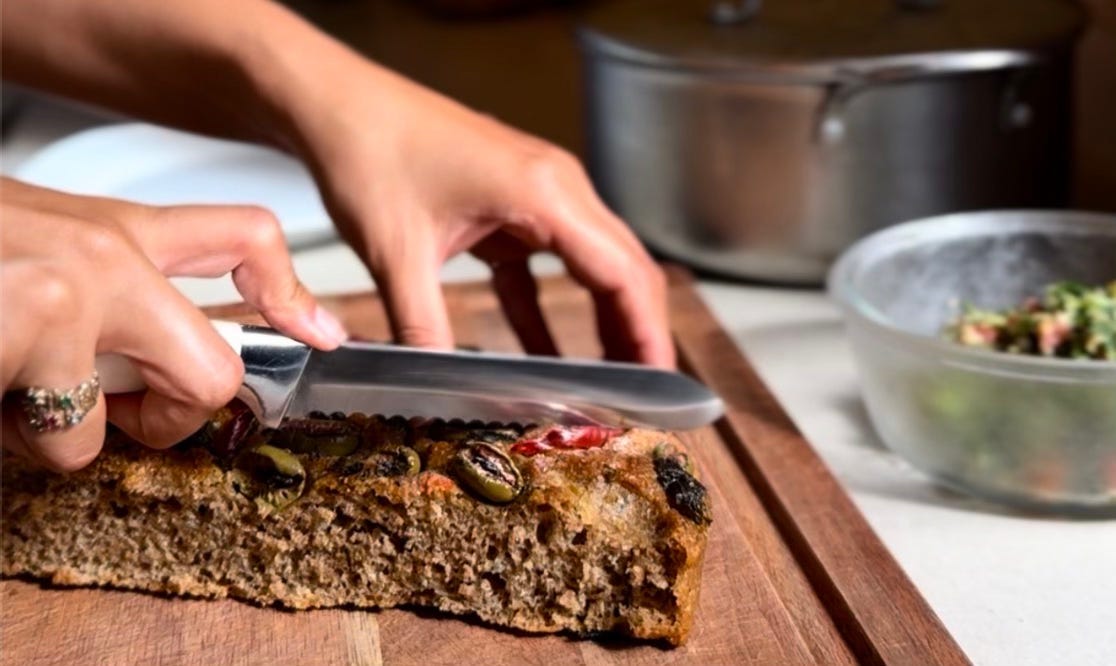
Contrary to what mainstream media and diet bloggers have led us to believe, bread, and therefore gluten, isn’t inherently bad for you. In reality, it has an important place in a balanced and deeply nutritious diet.
Just look at the Blue Zones for reference. In the Ogliastra region of Sardinia, Italy, you’ll find centenarians living past 100, vibrant, nimble, and healthy. Their daily staples? Homemade sourdough breads and gluten based pastas. They’re absolutely thriving, often more so than health fanatics who avoid carbs at all costs or bodybuilders weighing every gram of rice.
So, how is that possible? We’ve been told bread is like glue for the body and guaranteed to cause weight gain, but it seems like people outside of North America are able to eat it freely. The truth is simple: Bread doesn’t make you fat; how you consume it does.
What Actually Causes Weight Gain: The Preservatives
When people blame bread for their waistline, they’re usually pointing the finger at gluten but it’s actually the endocrine disruptors and metabolic irritants found in ultra processed, store bought loaves that are guilty. Stop bashing gluten and start villainizing these:
Calcium Propionate: This is the most common antifungal agent used to give store bought bread a three week shelf life. A 2019 study in Science Translational Medicine found that this preservative triggers a surge of hormones, specifically glucagon and fatty acid binding protein. It essentially tells your body to produce more sugar and then store it as fat, even if you aren’t overeating calories.
Emulsifiers: These chemicals create that pillowy texture and stop bread from going stale. Studies show that common emulsifiers alter the gut microbiome and thin the protective mucus layer of the intestine. This creates inflammation in your body. It also disrupts leptin, which is your “I’m full” hormone, making it harder for your brain to know when to stop eating.
Glyphosate Residue: This is often sprayed on commercial wheat just before harvest to dry the crop. Research suggests glyphosate acts as a broad spectrum antibiotic in your gut, killing the beneficial bacteria that regulate your metabolism and help maintain a healthy weight.
Buying inexpensive bed might save you money in the moment, but it costs you so much more. Now that we know what’s actually harmful to our health, let’s chat about what contributes to our wellbeing.
The Surprising Benefits of Gluten
Unless you have Celiac disease, gluten can actually be a metabolic ally:
Heart Health: A long term study in the BMJ (following 100,000+ people) found that those with the lowest gluten intake had a higher risk of heart disease. By removing a whole food like wheat and replacing it with processed, gluten free products, you’re not only lessening your enjoyment of bread, but you’re stripping your diet of the essential fibers that keep your cardiovascular system clean.
Prebiotic Power: Gluten proteins feed Bifidobacteria in your gut. High levels of these good bugs are consistently linked to lower body fat and better digestion. Our microbiome is complex, but the math is simple: More prebiotic foods in your diet = a happier, healthier belly.
Protein Density: Wheat gluten is roughly 75–80% protein. In a whole food context, it provides amino acids required for muscle maintenance and helps you feel full longer.
After reviewing the research, it’s difficult to hold the perspective that all bread is bad. That being said, how do you separate the good from the bad?
The Solution Is Quite Simple
Avoiding the garbage in 90% of store bought bread feels like an impossible task, but there are three optimal paths:
1. Sourdough
The magic isn’t just in what’s in it, but what the fermentation does for you. Fermentation activates phytase, an enzyme that breaks down phytic acid, while pre digesting glutens. This creates less work for your digestive track and makes minerals like magnesium and zinc easy for your body to absorb. Sourdough also has a lower glycemic index, preventing the insulin spike associated with other white bread.
2. Homemade Bread
When you bake at home, you’re completely in control. My favorite homemade bread recipe is my Garlic Naan (recipe at the end). Instead of the inflammatory seed oils and sugars found in packaged naan, this uses firm tofu for moisture and increased protein. Unlike a factory that uses chemical accelerants to force a rise in minutes, a slow homemade rise allows the yeast to work naturally, making homemade breads like my naan a genuine health food.
3. The Organic Bakery
If you aren’t baking at home, support your local baker. A real bakery shouldn’t have an ingredient list that looks like a chemistry project.
The Three Ingredient Rule: For basic loaves, it should be: Flour, Water, Salt (plus leavening).
The Crust Test: Look for a blistered or deeply caramelized crust. This is the result of the Maillard reaction, which only happens during long, natural fermentation.
Ask About the Rise: Even if they use commercial yeast, ask if they do a long ferment or cold proof. If they say “we bake it fresh in 45 minutes,” keep walking. You want bread that has been given hours, or even days to develop.
Never Eat Naked
Now that you’re armoured with information to protect your body from sneak attacks, let’s take it a step further. How you eat bread is also an important factor. To minimize insulin spikes and keep your metabolism in high gear, I follow this simple rule: Never eat your bread naked. Pair it with:
A Healthy Fat: Avocado, olive oil, olives or nut butter to slow down digestion.
A Protein Source: Like the tofu in my Garlic Naan, your favourite cheese (goat cheese & feta are top tier choices) or an unprocessed animal protein like sardines, roast beef or home sliced turkey breast.
Fun fact: Most deli and packaged meats are loaded with the same metabolic irritants and hormone disrupting additives as industrial bread. If you aren’t slicing it yourself, you’re likely consuming hidden sugars and preservatives that work against your goals.
Acids & Fermented Sides: Sauerkraut, pickles, balsamic vinegar and/or tabbouleh to blunt the glucose response.
I hope reviewing the facts has inspired you to start consuming bread with a clear conscience. Eating healthy shouldn’t mean restricting yourself or avoiding the foods you love. Typically, healthy eating just requires you to look a little deeper at the research and slightly adjust your go to’s at the grocery store.
Ready to try a homemade comfort classic? Below is my Garlic Naan recipe and a link to my nutrient dense Butt’r Chick’n.